CO2 Capture and Sequestration
From 50 giga tonnes emitted annually to reversing the curve
Working across carbon capture, nature-based sinks, urban agriculture, circular economy, and public knowledge to build the infrastructure for a post-carbon world.
The world generates 50+ giga tonnes of CO2 every year
Global fuel consumption continues to rise. Over 50 giga tonnes of CO2 are generated annually from human activity, driving biodiversity loss, resource depletion and ecological collapse. Our dependence on fossil fuel-based energy systems has embedded carbon into every aspect of modern life. Material consumption per capita has also increased significantly, adding complexity to the problem.
- Transition to energy-efficient technologies and processes
- Adopt sustainable lifestyle and consumption patterns
- Reduce environmental leakages across global supply chains
- Shift from a linear economy to circular economy
- Optimize the use of natural resources
- Strengthen biodiversity conservation efforts
Capturing CO2 is both an environmental and economic opportunity
Transitioning to circular economies, energy-efficient technologies, and nature-based carbon sinks creates a dual opportunity: addressing the climate crisis while generating the new industries and value from captured carbon. The goal is not just to slow emissions, but to reverse them. GSF focuses on solutions that are economically viable and environmentally sustainable, continuously evolved through innovation, collaboration and persistence.
Seven focus areas for capture, conversion and awareness
Carbon Capture and Sequestration
Sequestering CO2 from multiple emission sources, including large-scale thermal combustion systems.
Nature Based Solutions
Developing forests on marginal or underutilized land parcels, using treated urban greywater for afforestation and enhancing natural carbon sinks through ecological restoration.
Urban Agriculture
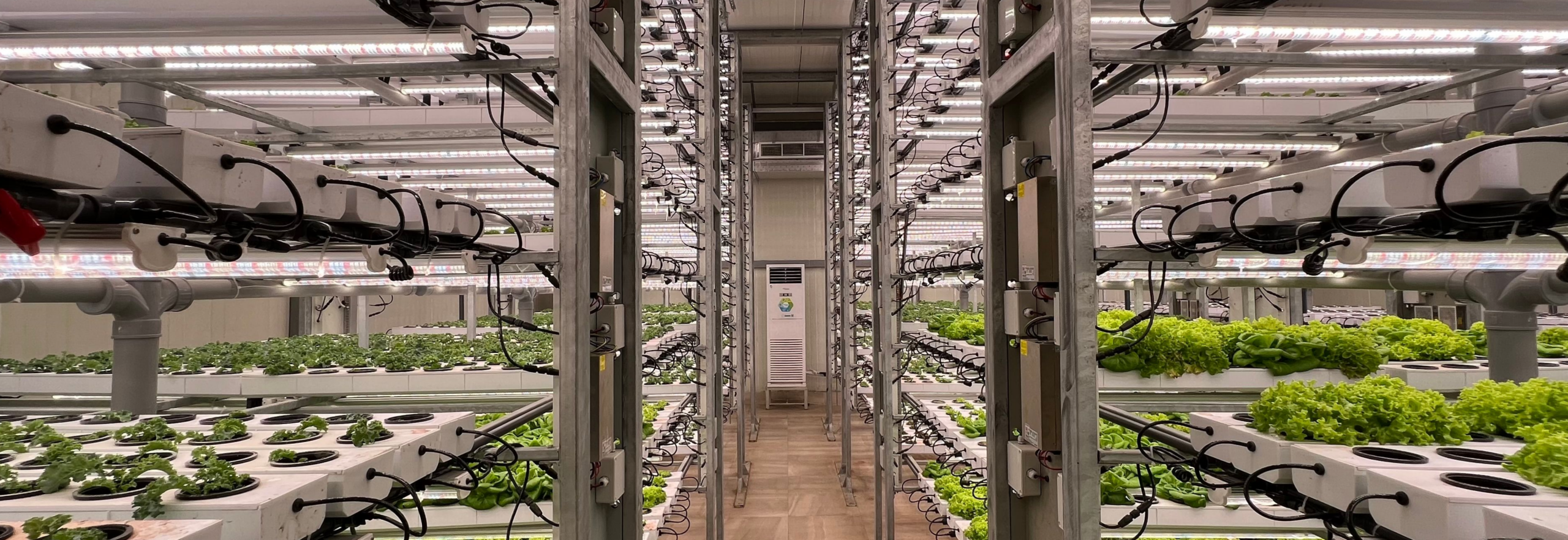
Promoting aeroponic and vertical farming systems in controlled urban environments to improve photosynthesis efficiency and urban microclimate.
Air Quality and Urban Climate
Removing legacy dust in urban areas, improving air quality through innovative inventions and exploring adiabatic cooling techniques to enhance urban green cover performance.
CO2 Utilization and Conversion
Converting captured CO2 into useful carbon-based products. Exploring wet scrubbing technologies using urban greywater, a direct link between the greywater and CO2 initiatives.
Circular Economy
Driving process efficiency improvements, enhancing material circularity, and minimizing environmental leakages across systems.
Knowledge, Modelling and Awareness
Developing mathematical models for public understanding and creating a solution matrix to guide CO2 reduction strategies and build informed climate action.
The direction of change
Addressing climate change requires not only technical advancement but a fundamental shift in mindset. The journey demands a collective responsibility, measurable action and long term commitment. GSF continuously evolves economically viable and environmentally sustainable solutions, working towards a future where CO2 emissions are not just slowed, but reversed, ensuring a sustainable suture for the entire biosphere.